

- Published on
AI-Driven Personalization Engines for SaaS Apps: The Future of User Experience
Listen to the full article:
- Authors

- Name
- Jagadish V Gaikwad

AI-driven personalization engines are no longer a luxury for SaaS apps—they’re a necessity. In today’s crowded digital landscape, users expect software that adapts to their needs, anticipates their next move, and delivers a frictionless experience. SaaS companies that fail to meet these expectations risk losing customers to competitors who do.
But what exactly is an AI-driven personalization engine? And how can it help your SaaS app stand out, retain users, and drive growth?
Let’s break it down.
What Is an AI-Driven Personalization Engine?
An AI-driven personalization engine is a system that uses artificial intelligence and machine learning to analyze user behavior, preferences, and historical data. It then delivers tailored content, features, recommendations, and experiences in real time.
Unlike traditional segmentation or rule-based personalization, AI engines learn and adapt continuously. They don’t just react to what users do—they predict what they’ll want next.
For SaaS apps, this means:
- Content that feels relevant and timely
- Features that surface when users need them most
- Marketing and support that feels intuitive, not intrusive
Why Personalization Matters for SaaS
SaaS apps are built for scale, but scaling without personalization leads to generic experiences. And generic experiences lead to churn.
Here’s why personalization is critical for SaaS:
1. User Retention
Personalized experiences keep users engaged. When users feel understood, they’re more likely to stick around. Studies show SaaS companies leveraging AI-driven personalization see 15–25% jumps in user retention and up to 40% increases in customer lifetime value.
2. Feature Adoption
Many SaaS apps suffer from underused features. AI personalization engines can surface the right tools at the right time, boosting feature adoption by 30% or more.
3. Reduced Churn
AI can flag engagement drops, suggest interventions, and prompt upsell opportunities before users even realize an issue. This proactive approach can reduce early-stage churn by up to 35%.
4. Higher Conversion Rates
Personalized onboarding, pricing, and upsell recommendations lead to higher conversion rates. Some SaaS platforms report up to 35% increases in trial-to-paid conversion after implementing AI-driven personalization.
5. Improved Customer Satisfaction
When users get what they need without searching, satisfaction goes up. AI-powered chatbots, adaptive UIs, and tailored content all contribute to a smoother, more satisfying experience.
How AI-Driven Personalization Engines Work
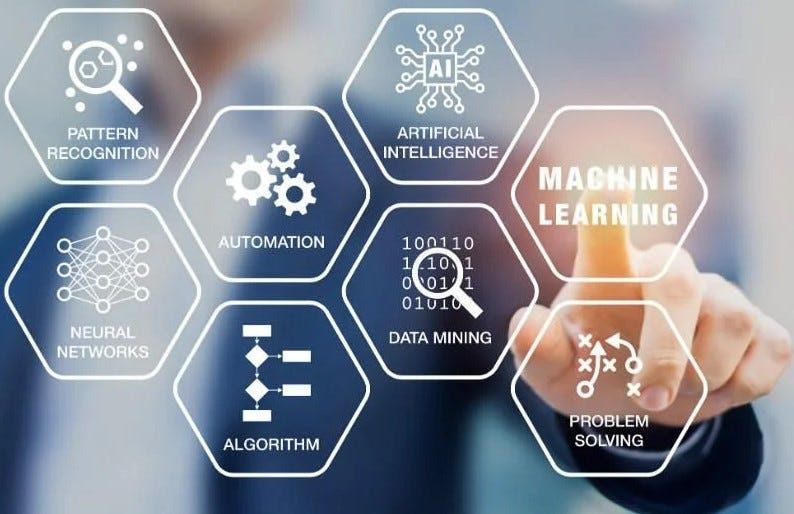
AI-driven personalization engines rely on several key components:
1. Data Collection
The engine gathers data from user interactions, including:
- Clicks, navigation, and feature usage
- Session duration and frequency
- Support tickets and feedback
- Demographic and behavioral data
2. Behavioral Analysis
Machine learning algorithms analyze this data to identify patterns, preferences, and intent. For example:
- Which features do users engage with most?
- What content do they consume?
- When do they drop off?
3. Real-Time Recommendations
Based on the analysis, the engine delivers personalized recommendations, such as:
- Suggested features or workflows
- Relevant content or tutorials
- Targeted marketing messages
4. Continuous Learning
The engine learns from every interaction, refining its recommendations over time. This creates a feedback loop that makes the experience smarter and more relevant with each use.
Use Cases of AI-Driven Personalization in SaaS
AI-driven personalization engines have a wide range of applications across SaaS platforms. Here are some of the most impactful use cases:
1. Personalized Content Recommendations
SaaS apps offering educational content, tutorials, or media can use AI to suggest relevant items based on past engagement. For example, a learning management system might recommend courses or videos that match a user’s interests, learning pace, and skill level.
2. Product and Service Suggestions
SaaS apps can leverage recommendation engines to suggest complementary features, add-ons, or premium packages. For instance, an accounting SaaS could recommend a payroll module to users who regularly manage invoices, improving both adoption and revenue.
3. Customer Support and Chatbot Personalization
AI-powered chatbots can use recommendation engines to deliver context-aware assistance. By analyzing user queries and past support interactions, chatbots can suggest relevant knowledge base articles, tutorials, or troubleshooting steps. This reduces resolution time, improves user satisfaction, and lowers the burden on human support teams.
4. Personalized UI/UX Optimization
Instead of a one-size-fits-all dashboard, AI adapts UI elements based on user behavior and preferences. For example, a project management tool might surface the most-used features for power users while simplifying the interface for beginners.
5. Marketing Automation
AI-driven personalization tailors marketing campaigns to individual user behaviors and preferences. SaaS platforms leverage machine learning to segment audiences, optimize messaging, and automate campaign delivery. The result is higher engagement, conversion rates, and ROI.
6. Workflow and Process Automation
AI can suggest automation workflows based on historical usage. For example, a cloud-based ERP software integrated AI to suggest automation workflows, resulting in 45% faster process execution and 20% reduction in manual interventions.

Real-World Examples of AI-Driven Personalization
Netflix: The Gold Standard
While not a traditional SaaS company, Netflix offers valuable insights into the power of AI in personalizing user experience. The streaming giant uses an AI-powered recommendation engine to curate content for each user, based on their viewing history and preferences. This strategy has not only enhanced user engagement but also significantly reduced churn, proving that AI personalization can drive customer satisfaction and retention.
Slack: Contextual Feature Tips
Slack’s “What’s New” feed uses AI to surface feature tips contextual to your usage. This helps users discover new tools and workflows without overwhelming them, boosting feature adoption and user satisfaction.
Amplitude: Behavioral Data and UI Testing
Amplitude, an analytics platform, combines behavioral data with UI testing to make decisions in real time. It recommends deeper data tools as users explore funnels or cohorts, creating a more personalized and intuitive experience.
FinTech SaaS: Automated Financial Planning
An AI-powered financial SaaS reduced churn by 40% by offering automated financial planning insights tailored to each user’s spending habits. This proactive approach helped users achieve their financial goals while increasing retention and satisfaction.
Benefits of AI-Driven Personalization Engines
1. Enhanced User Engagement
Personalized experiences keep users engaged and coming back for more. AI-driven engines deliver content, features, and recommendations that feel relevant and timely.
2. Improved Customer Satisfaction
When users get what they need without searching, satisfaction goes up. AI-powered chatbots, adaptive UIs, and tailored content all contribute to a smoother, more satisfying experience.
3. Higher Conversion Rates
Personalized onboarding, pricing, and upsell recommendations lead to higher conversion rates. Some SaaS platforms report up to 35% increases in trial-to-paid conversion after implementing AI-driven personalization.
4. Reduced Churn
AI can flag engagement drops, suggest interventions, and prompt upsell opportunities before users even realize an issue. This proactive approach can reduce early-stage churn by up to 35%.
5. Increased Feature Adoption
AI-driven engines surface the right tools at the right time, boosting feature adoption by 30% or more. This helps users get the most out of your SaaS app.
6. Better Decision-Making
AI-driven personalization engines provide actionable insights into user behavior and preferences. This helps SaaS companies make smarter decisions about product development, marketing, and customer support.
Challenges and Considerations
While AI-driven personalization engines offer many benefits, there are also challenges to consider:
1. Data Privacy
Collecting and analyzing user data raises privacy concerns. SaaS companies must ensure they comply with data protection regulations and are transparent about how user data is used.
2. Algorithm Bias
AI algorithms can sometimes reflect biases in the data they’re trained on. SaaS companies must monitor and address algorithmic bias to ensure fair and equitable experiences for all users.
3. Implementation Complexity
Integrating AI-driven personalization engines can be complex and resource-intensive. SaaS companies need to invest in the right technology, talent, and infrastructure.
4. User Trust
Users may be wary of AI-driven personalization if they don’t understand how it works or feel it’s intrusive. SaaS companies must build trust by being transparent and giving users control over their data and preferences.
The Future of AI-Driven Personalization in SaaS
AI-driven personalization engines are just getting started. As AI technology continues to advance, these engines will become increasingly sophisticated, helping SaaS companies anticipate user needs more accurately and deliver experiences that are both personalized and predictive.
Future trends to watch include:
- Generative AI: Enabling automated content creation, code generation, and data synthesis.
- Real-Time Personalization: Delivering hyper-personalized experiences in real time, based on live user data.
- Cross-Platform Integration: Personalizing experiences across multiple SaaS apps and devices.
- Ethical AI: Ensuring AI-driven personalization is fair, transparent, and respectful of user privacy.
Comparison Table: Traditional vs. AI-Driven Personalization
| Feature | Traditional Personalization | AI-Driven Personalization |
|---|---|---|
| Data Source | Static user profiles | Real-time behavioral data |
| Adaptability | Manual updates | Continuous learning |
| Personalization Depth | Broad segments | Hyper-personalized |
| User Experience | Generic, one-size-fits-all | Dynamic, adaptive |
| Implementation Complexity | Low | High |
| Scalability | Limited | Highly scalable |
| Privacy Concerns | Moderate | High (requires careful management) |
Conclusion
AI-driven personalization engines are transforming SaaS apps by delivering hyper-personalized, adaptive, and predictive user experiences. From boosting engagement and retention to driving feature adoption and revenue growth, the benefits are clear.
But success requires more than just technology. SaaS companies must also address challenges like data privacy, algorithmic bias, and user trust. By doing so, they can unlock the full potential of AI-driven personalization and stay ahead in a competitive market.
What’s your experience with AI-driven personalization in SaaS? Have you seen a boost in engagement or retention? Share your thoughts in the comments below!
You may also like
- The Agentic AI Revolution: Transforming Automation in 2025
- Grand Theft Autorickshaw: Bengaluru Techies’ Hilarious AI Racing Game Revolutionizing Urban Gaming
- How AI Improves Uptime and Reliability in Cloud Hosting: Unlocking Smarter, Seamless Cloud Experiences
- Best Cloud Platforms for Hosting SaaS Applications in 2025: A Complete Guide
- Best AI Writing Tools for Bloggers and YouTubers in 2025: Ultimate Guide to Boost Your Content Creation