

- Published on
AI Voice Cloning Technology: Business Use Cases and Ethical Concerns
Listen to the full article:
- Authors

- Name
- Jagadish V Gaikwad
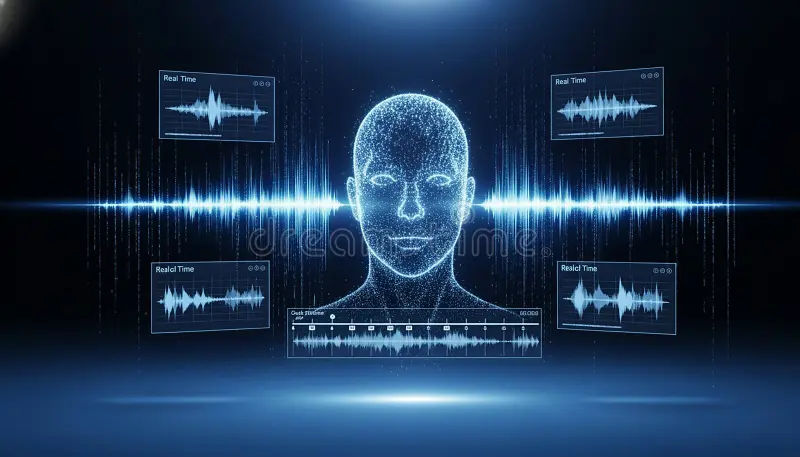
AI voice cloning is no longer a futuristic concept reserved for sci-fi movies; it’s a practical business tool that’s reshaping how organizations create content, engage customers, and scale operations. By using machine learning to produce synthetic voices that closely resemble human speakers, companies can generate personalized, repeatable audio assets at unprecedented speed and scale . But as the technology becomes more accessible and realistic, it also raises serious questions about consent, authenticity, and misuse.
In this post, we’ll break down the most compelling business use cases for AI voice cloning—from marketing and customer service to executive training and multilingual content—while diving deep into the ethical concerns that leaders must address before deploying the technology. Whether you’re a content strategist, a startup founder, or an enterprise decision-maker, understanding both the power and the risks of voice cloning is essential in 2026.
What Is AI Voice Cloning?
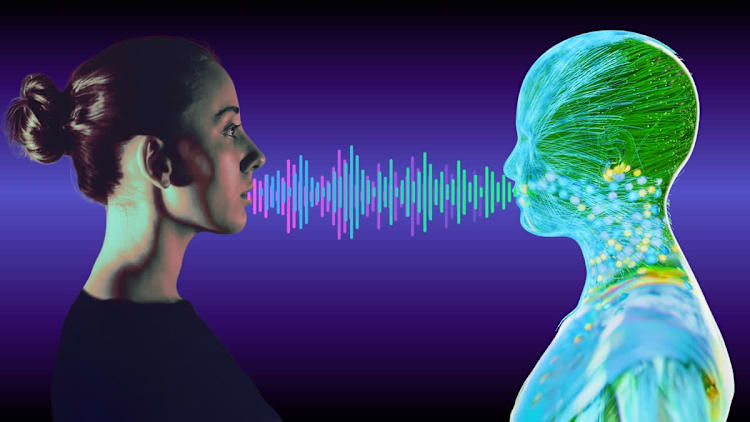
AI voice cloning is the process of using deep learning algorithms to analyze speech characteristics—such as tone, pitch, inflection, and pacing—and then model them to reproduce realistic speech patterns . Unlike traditional text-to-speech (TTS) systems that often sound robotic, voice cloning captures the nuances of human emotion and personal speaking style, making synthetic speech sound remarkably natural .
The technology works by training on large voice datasets. With just a few minutes of high-quality audio samples, AI models can generate speech that mimics the original speaker’s voice identity . This allows brands to produce content without requiring the person to record every line, saving time and resources while maintaining brand voice consistency across channels .
Top Business Use Cases for AI Voice Cloning
The measurable benefits of personalized voice content are evident across common marketing metrics: higher engagement, improved messaging consistency, and reduced production time . Let’s explore the most impactful business applications.
1. Marketing and Content Strategy
AI voice cloning is changing how organizations produce marketing and content at scale. Companies can generate personalized audio messages that align with specific audience segments, improving engagement and supporting brand consistency .
- Personalized Advertisements: Dynamic audio ads that adapt to listener preferences or demographics.
- Character Voices: Creating unique voices for brand mascots or fictional characters without hiring voice actors.
- Video Voiceovers: Rapidly producing high-quality audio for video content, reducing manual effort .
Industries like marketing and entertainment benefit significantly, with applications ranging from adaptive learning audio to automated support systems .
2. Customer Service and Interactive Voice Response
Customer service is one of the most transformative areas for voice cloning. Companies are adopting AI voice cloning to deliver a more human-like and customized customer experience .
Voice clones implemented into virtual assistants or chatbots can provide more engaging interactions, leading to overall satisfactory experiences for customers . Unlike generic TTS, these clones can replicate the tone and emotion of a trusted brand representative, making automated support feel less robotic and more relatable .
3. Multilingual Content Creation
Global brands can use synthetic voices to produce content in multiple languages while maintaining the same tone and style . This is a game-changer for companies operating internationally.
Instead of hiring separate voice talent for each language, organizations can clone a single executive or brand voice and deploy it across languages. This ensures consistent brand messaging while expanding reach to non-English audiences .
Key features of voice cloning platforms include multilingual support, enabling broader and more targeted audio deployment .
4. Executive Narrations and Thought Leadership
Voice cloning allows leadership to “be present” in content consistently, even when schedules are tight . Executives can clone their voice once and reuse it for:
- Podcast production: Maintaining a regular publishing schedule without overburdening team members .
- Internal training modules: Ensuring consistent messaging across employees or learners .
- Thought leadership content: Scaling efficient content creation while keeping audiences engaged .
This approach saves time and resources while ensuring a consistent brand voice across all channels .
5. Assistive Technology and Accessibility
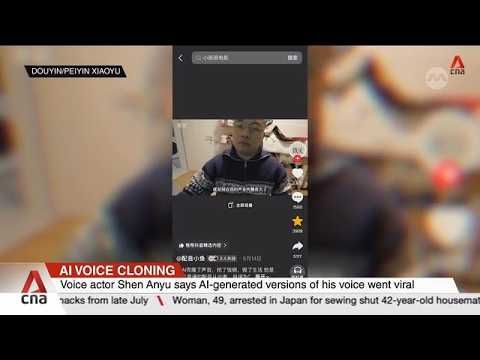
Beyond business, voice cloning has profound applications in assistive technology. Individuals who have lost the capacity for speaking due to accident or illness can reclaim their voice identity through a natural-sounding synthesized replica of their own voice .
Respeecher has collaborated with individuals with speech disabilities to enable them to “speak” through their own voices, offering hope and dignity to those who’ve lost their ability to communicate naturally . The FTC has highlighted this as a promising medical application of voice cloning technology .
6. Gaming and Virtual Reality
Voice AI is revolutionizing virtual reality and gaming by enabling characters to talk back in responsive voices depending on user actions . This makes scenarios much more real and immersive.
In gaming, voice cloning allows for dynamic character interactions that adapt to player behavior, creating a more personalized and engaging experience .
Ethical Concerns and Risks of AI Voice Cloning
While the business applications are compelling, voice cloning technology raises important questions about authenticity and consent . The deployment of voice cloning requires careful consideration of ethical implications, including concerns about transparency and potential misuse .
1. Consent and Authorization
The most critical ethical issue is obtaining explicit permission from executives or voice talent before cloning their voice . Without consent, voice cloning can be used to appropriate an artist’s voice in ways that jeopardize their reputation and ability to earn income .
Organizations must establish clear guidelines for appropriate application and prioritize transparency in how voices are used . Always secure explicit permission before cloning anyone’s voice, and ensure that voice talent understands how their cloned voice will be deployed .
2. Fraud and Social Engineering Attacks
AI voice cloning has been weaponized by threat actors in increasingly sophisticated social engineering attacks . With just a few minutes of recorded audio, attackers can create convincing voice replicas capable of deceiving even close acquaintances .
High-profile scams include:
| Scam Type | Description |
|---|---|
| Emergency Scams | Cloned voices impersonate family members in distress, requesting emergency funds |
| Voicemail Phishing (Vishing) | Voice messages sound like trusted colleagues or executives, increasing engagement likelihood |
| Political Manipulation | Impersonating public figures to spread misinformation or incite panic during sensitive events |
Families and small businesses can be targeted with fraudulent extortion scams using cloned voices . The FTC has launched the Voice Cloning Challenge to address these emerging harms and protect consumers from fraud and misuse of biometric data .
3. Transparency and Trust
Letting audiences know when AI-generated voices are used is essential to preserve trust . Without transparency, brands risk damaging their reputation if consumers feel deceived.
Maintain transparency by clearly disclosing when synthetic voices are used in content, advertisements, or customer interactions . This preserves brand integrity and helps consumers make informed decisions about the content they engage with .
4. Misuse and Deceptive Content
Using voice cloning responsibly means avoiding misleading or deceptive content . Organizations must avoid creating content that could be interpreted as authentic human speech when it’s actually synthetic.
Avoid misuse by ensuring that voice cloning is not used to create content that could mislead audiences about the identity of the speaker or the authenticity of the message .
5. Biometric Data and Privacy
Voice is a form of biometric data, and the misuse of voice clones raises broader concerns about privacy and data protection. The FTC is concerned about the broader misuse of biometric data and creative content in voice cloning harms .
Organizations must implement strong data governance practices to protect voice samples and ensure that cloned voices are not used without proper authorization .
Best Practices for Ethical Voice Cloning Deployment
To navigate these ethical challenges, businesses should follow these best practices:
- Obtain Consent: Always secure explicit permission from executives or voice talent before cloning their voice .
- Maintain Transparency: Let audiences know when AI-generated voices are used to preserve trust .
- Quality Control: Ensure synthetic voices sound natural and align with your brand standards .
- Avoid Misuse: Use voice cloning responsibly, avoiding misleading or deceptive content .
- Limit Public Audio Exposure: Avoid posting long-form voice recordings online unnecessarily to reduce risk of cloning .
- Verify Suspicious Calls: If you receive a call that seems unusual—even if it sounds like someone you know—pause and verify .
When applied with clear governance and strategic planning, the technology helps deliver consistent, relevant messages that support brand loyalty and conversion .
The Future of AI Voice Cloning in Business
As voice cloning technology continues to evolve, its business applications will expand even further. The technology offers promise for Americans in medical applications, including helping people who’ve lost their voices speak as themselves again .
However, the risks remain significant. Creative professionals, such as voice artists, could potentially have their voices appropriated in ways that jeopardize their income and reputation . The FTC’s Voice Cloning Challenge aims to encourage the development of multidisciplinary solutions—from products to policies to procedures—aimed at protecting consumers .
In 2026, businesses that adopt AI voice solutions with clear governance and strategic planning will strengthen their content strategy and operational efficiency . The key is balancing innovation with responsibility.
Key Takeaways
- AI voice cloning enables rapid production of high-quality audio, reducing time and manual effort .
- Industries that benefit include marketing, entertainment, education, and customer service .
- Ethical concerns include consent, transparency, fraud, and misuse of biometric data .
- Best practices include obtaining consent, maintaining transparency, and avoiding deceptive content .
- The technology offers promising medical applications while posing significant risks .
Final Thoughts
AI voice cloning is a game-changer for businesses looking to scale content creation, personalize customer experiences, and maintain brand consistency across languages and channels . But it’s not a tool to deploy without caution.
The ethical concerns are real, and the risks of fraud and misuse are growing. Organizations must prioritize transparency, consent, and responsible use to avoid damaging trust and reputation .
What’s your experience with AI voice cloning? Have you used it in your business, or do you have concerns about its ethical implications? Share your thoughts in the comments below.
You may also like
- Serverless AI: Build Smarter Apps with Fewer Resources in 2025
- AI-Powered Search Engines vs Traditional Web Search: The 2026 Battle for Information
- AI SaaS Tools for Subscription ARPU Optimization: Boost Revenue Per User in 2025
- Enterprise AI Security Trends Every CTO Should Know in 2026
- AI-Powered Document Intelligence Platforms: The Ultimate Guide for Modern Businesses in 2026