

- Published on
How AI Analyzes Stablecoin Reserves and Market Liquidity
Listen to the full article:
- Authors

- Name
- Jagadish V Gaikwad
Stop pretending stablecoins are simple
Your stablecoin isn’t “stable” because someone said so in a PDF. It’s stable because reserves, liquidity, and redemption pressure don’t blow up at the same time.
That’s where AI analyzes stablecoin reserves and market liquidity in a way humans just can’t. It chews through on-chain data, issuer disclosures, exchange depth, sentiment, and treasury signals faster than any analyst team ever will.
What AI is actually looking at
Here’s the thing: AI isn’t magic. It’s pattern matching with a serious caffeine problem.
When AI analyzes stablecoin reserves, it checks whether the backing assets match the liabilities, whether the disclosures are fresh, and whether the composition of reserves looks safe or sketchy. Newer systems are even built to compare multiple AI models before they decide a reserve warning is real, instead of trusting one model to wing it.
The useful signals are boring but brutal:
- Reserve size versus circulating supply
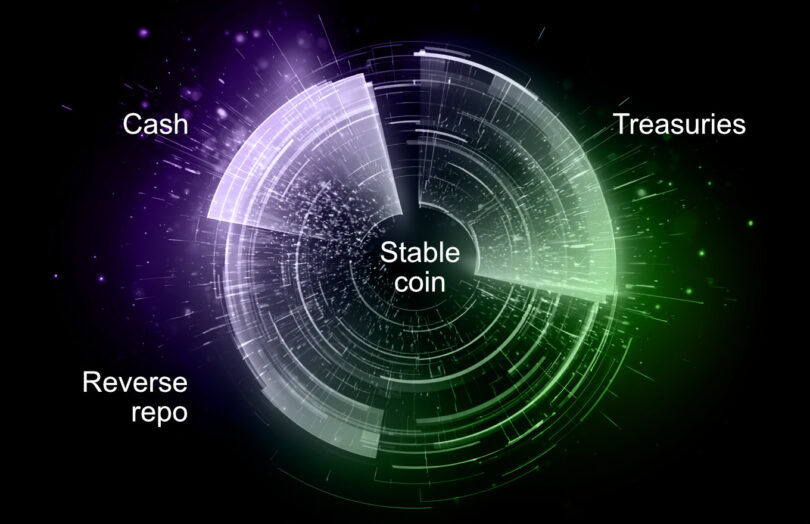
- Asset mix, like cash, T-bills, repos, or bank deposits
- Attestation freshness
- Custodian concentration
- Redemption spikes
- Exchange liquidity depth
That last one matters more than people admit. You can have “full backing” on paper and still get smoked if the market can’t absorb redemptions fast enough.
Why market liquidity is the part everyone underestimates
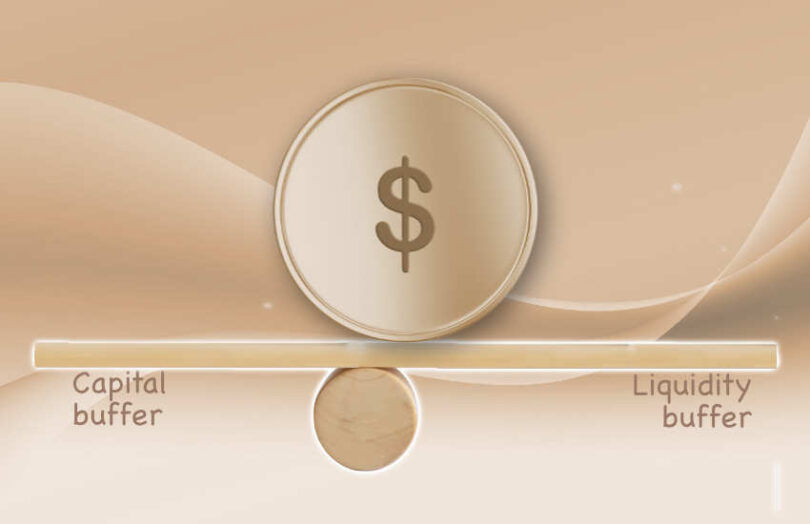
Real talk: reserves are only half the story. Liquidity is what decides whether your peg survives the panic.
AI looks at order book depth, bid-ask spreads, swap slippage, and mint-burn activity to estimate how easily a stablecoin can move through the market without getting ugly. If liquidity dries up, the peg gets wobbly even when the balance sheet still looks fine.
That’s why a lot of models now treat reserve health and market liquidity as separate risk channels. One tells you whether the backing exists. The other tells you whether the market can actually handle stress without snapping.
How the models work without turning into a sci-fi mess
Honestly? This is where people mess up. They think AI means one giant black box staring at blockchain data and making genius calls.
The better setups split the job into pieces. One model flags anomalies, another looks for fraud patterns, another forecasts reserve health, and a deterministic rules engine checks the result against policy before anything gets acted on. That multi-model approach matters because stablecoin risk isn’t one problem. It’s a bunch of small failures that show up all at once.
A decent stack usually includes:
- NLP to read issuer reports, filings, and news
- Machine learning to score depeg risk from historical behavior
- Blockchain analytics to watch wallet flows and large transfers
- Liquidity modeling to estimate how much selling the market can absorb
- Rules engines to stop the model from making dumb decisions
That combination is showing up in both research and commercial tools right now. Moody’s, for example, has already pushed AI-driven monitoring into stablecoin risk scoring, including reserve quality and depeg prediction.
The data problem is nastier than the pitch deck says
Look, the biggest weakness isn’t the model. It’s the data.
A lot of issuer disclosures still arrive as PDFs, which is adorable if you’re a human and useless if you’re an agent trying to assess risk in real time. One recent paper points out that AI systems need structured, time-aligned feeds, not stale snapshots from days or weeks ago.
That means AI needs four things to do the job properly:
- Real-time solvency signals
- Machine-readable reserve breakdowns
- Redemption flow data
- Reliable on-chain and off-chain alignment
Without that, the system is guessing with better vocabulary. And yeah, that’s not enough when millions are moving in minutes.

Comparison: human audits vs AI monitoring
| Approach | What it’s good at | Where it breaks | Real talk |
|---|---|---|---|
| Human audit | Formal sign-off, legal credibility, final judgment | Slow, periodic, easy to miss fast-moving stress | Good for compliance, bad for early warnings |
| AI monitoring | Continuous analysis, anomaly detection, fast alerting | Only as good as the data and rules behind it | This is what you want before a crisis |
| Hybrid setup | Combines oversight with speed | More moving parts, more ops work | Best option if you’re serious |
If you’re picking one, pick the hybrid. Pure human review is too slow. Pure AI is too trusting.
What good AI flags before the market panics
Here’s what nobody talks about: AI is most useful before the headline hits.
The best systems catch tiny changes that humans ignore. A weird reserve composition shift. A sudden spike in large transfers. A jump in redemption demand. A thinner order book on major exchanges.
Those signals matter because stablecoins usually don’t die in one giant event. They leak confidence first. Then liquidity dries up. Then everyone rushes for the door at the same time.
That’s why some newer systems are designed to continuously verify reserves and even trigger enforcement logic if thresholds are breached. That’s not flashy. It’s practical. And practical is what saves you when the market gets weird.
Why reserve quality matters more than reserve size
A pile of assets isn’t the same thing as safe backing. If a stablecoin’s reserves are sitting in the wrong mix of assets, the market can punish it fast.
AI can score reserve quality by looking at concentration, maturity, custody, and asset type. Short-duration Treasuries are very different from illiquid holdings or overexposed banking relationships. AI doesn’t “know” that emotionally. It just sees the pattern and assigns risk where it belongs.
Visa’s reserve-management materials point to the same logic: asset return, volatility, and correlation all matter when you’re managing a basket that has to stay liquid under stress. Translation: you don’t just need value. You need money that can move.

What AI gets right, and what it still gets wrong
Yeah, I know, another AI tool. The hype is exhausting.
But this one is real if you’re honest about the limits. AI can spot abnormal reserve behavior, predict depeg pressure, and keep watching liquidity long after a human team would have gone home. It can also combine on-chain and off-chain data in ways that manual teams just can’t keep up with.
The catch is obvious:
- Bad data makes bad predictions
- Stale disclosures kill usefulness
- Overfitting can make a model look smart until the first real shock
- Automated action needs tight controls or you’ll create your own disaster
This is why the best systems use consensus, thresholds, and audit trails instead of one model freewheeling through treasury decisions. You want speed, not chaos.
The real-world use case: catching a depeg early
Imagine a stablecoin starts seeing heavier redemption flow after a weekend macro scare. Trading volumes rise, spreads widen, and a few wallets begin moving size off-chain.
AI can connect those dots before the market fully reacts. It can notice that liquidity depth is thinning while reserve disclosures are still technically “fine.” That’s the kind of mismatch that matters.
This is where stablecoin liquidity analysis becomes more than a buzzword. It tells you whether the coin can survive a rush, not just whether the books look clean on paper.
The compliance angle nobody wants to talk about
Here’s the thing: once AI starts judging reserves, regulators are going to care.
A system that records verdicts on-chain and checks them against deterministic rules is basically a compliance machine with a pulse. That’s useful because reserve monitoring isn’t just an investment problem. It’s a trust problem.
And trust is the whole game. Chainlink’s proof-of-reserve framing makes the same point in simpler terms: users want to confirm backing at any time, not after the fact. If your system can’t show its work, nobody should trust its conclusions.
Where this goes next
The annoying part is that the future isn’t one big leap. It’s a bunch of boring upgrades that make the whole system harder to fool.
Expect more machine-readable attestations, more on-chain audit trails, and more AI models that compare reserve data with market behavior in real time. Expect better depeg prediction, sharper blockchain analytics, and much less patience for stale reporting.
That said, AI won’t replace treasury teams. It’ll expose the teams that were pretending spreadsheets were enough.
Real talk: AI analyzes stablecoin reserves and market liquidity best when it’s part detective, part watchdog, and part referee. If your setup can’t see reserve quality and liquidity stress at the same time, you’re blind in the exact moment that matters.
What’s your biggest bottleneck right now: stale reserve data, weak liquidity signals, or a setup that still depends on humans refreshing PDFs?
You may also like
- AI Data Privacy and Compliance in Cloud Environments: Navigating 2025’s Complex Landscape
- How Financial Institutions Use AI for Crypto Market Analysis
- Best AI Meeting Assistants Compared: Top 10 Tools for 2026
- Argentina Into the Finals: How Messi & Co. Survived Scare After Scare to Reach 2026 World Cup Final
- AI Tools That Help Creators Save Time on Editing and Posting in 2025