

- Published on
How Algorithmic Trading Is Changing Crypto Futures Markets
Listen to the full article:
- Authors

- Name
- Jagadish V Gaikwad

The old crypto futures game is basically over
Stop pretending this is still a human market. Crypto futures now run on speed, code, and nonstop execution, and algorithmic trading is the thing turning that crank.
Perpetual futures are the biggest tell. They never expire, they stay glued to spot through funding payments, and they’ve become the core instrument for systematic traders in crypto.
That matters because the market never sleeps. If your strategy still depends on a person staring at a screen, you’re already behind.
Why algo trading took over so fast
Look, crypto futures are a perfect match for machines. Prices move 24/7, liquidity is split across venues, and the same trade can look profitable on one exchange and dead on another.
Algorithmic trading eats that mess for breakfast. It can route orders across fragmented venues, react to volatility faster than any human, and keep firing even when your team is asleep.
That’s the real shift. Humans used to make the call, then the bot executed. Now the bot often makes the call too, and that changes market behavior at the core.
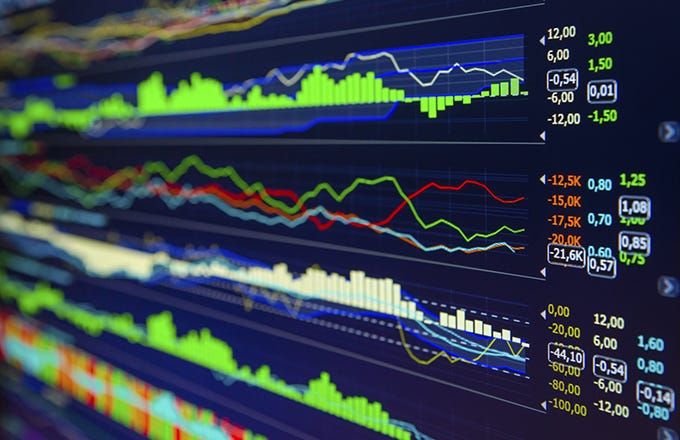
The biggest change: execution is now the edge
Here’s the thing nobody likes to admit. In crypto futures, the idea is often simpler than the execution.
You can have the right thesis and still get crushed by slippage, bad routing, or thin liquidity. Institutional algo platforms exist because execution quality now matters as much as direction, especially when you’re trading market-neutral, arbitrage, or systematic futures strategies.
That’s why the smartest desks care about portfolio controls, risk checks, and order management before they even talk alpha. If your system can’t place orders cleanly, your “strategy” is just expensive noise.
Crypto futures are built for automation
Honestly? This is where people mess up. They think crypto futures are just another chart with more leverage.
They’re not. Futures markets already rely on pricing rules, contract terms, and risk management logic, which makes them easier to automate than a lot of spot trading setups.
Crypto adds another layer. You’ve got perpetuals, funding rates, basis trades, liquidation thresholds, and nonstop price discovery across venues. That’s a machine’s playground, and a human’s headache.
What algorithmic trading actually does in crypto futures
Here’s what nobody talks about: most algo systems aren’t doing magic. They’re just removing emotional nonsense and replacing it with rules that don’t panic.
In practice, algorithmic trading in crypto futures usually handles entries, exits, position sizing, stop-losses, hedges, and exposure adjustments automatically. Some systems are simple grid bots, while others are more advanced and route across futures, perpetuals, and even options.
That sounds boring. It is. And boring usually wins.

The market structure keeps getting more machine-driven
Real talk: the structure of crypto futures rewards automation more every year. Perpetual futures dominate crypto volume, and funding-rate mechanics create recurring opportunities that are easy for systematic traders to model.
That’s why basis trading and funding arbitrage keep showing up in serious crypto quant playbooks. Buy spot, short the perp, collect the spread or funding when the market setup works.
You can do that manually. Once. Maybe twice. Then you’ll miss a funding swing and feel very silly.
Manual trading still exists, but it’s shrinking fast
Yeah, people still click buttons. Some even do it profitably. But that crowd is fighting a market that’s increasingly shaped by bots, not vibes.
There’s a reason crypto trading platforms and institutional desks keep building more automation around futures execution, backtesting, and order handling. The market is too fast, too fragmented, and too noisy for slow hands.
That doesn’t mean humans are useless. It means humans are moving up a layer. The best ones set the logic, define risk, and let the machine handle the grind.
The catch: speed cuts both ways
The annoying part is that automation doesn’t just amplify wins. It amplifies stupid decisions too.
Crypto futures already come with leverage, liquidation risk, and violent intraday swings. Add algorithmic trading, and a bad model can scale losses just as fast as it scales gains.
That’s why backtesting alone is a trap. A strategy can look brilliant on paper and still die the second it hits real market conditions, especially in a market that trades around the clock and reacts to everything from macro headlines to liquidations.
Where the real alpha lives now
Look, the easy money isn’t in “buy low, sell high” anymore. That ship left the dock years ago.
The better opportunities are in structure, not prediction. Funding-rate arbitrage, volatility-aware trend following, market making, and cross-venue execution are all areas where algorithmic trading can outwork humans because the edge comes from speed and discipline, not genius.
That’s also why more serious traders are using futures-specific infrastructure with backtesting and contract modeling baked in. If your system doesn’t understand contract expiry, venue differences, and margin mechanics, it’s not ready.
Comparison: manual futures trading vs algorithmic trading
| Reality | Manual Trading | Algorithmic Trading |
|---|---|---|
| Execution speed | You react after the move starts | The system reacts immediately |
| Sleep factor | You miss trades when you’re offline | It runs while you’re gone |
| Discipline | Emotions creep in fast | Rules stay consistent |
| Slippage control | Usually weak | Usually better if routing is good |
| Risk | One bad click can wreck you | One bad model can wreck you faster |
| Real talk | Fine for learning | Better for serious futures activity |
If I had to pick one for crypto futures, I’d take the machine every time. Not because it’s perfect, but because the market’s already acting like a machine.
Why institutions are piling in
Here’s the thing: institutions don’t chase hype. They chase repeatability.
Platforms serving institutional crypto trading are bundling execution, portfolio risk, and order management into one stack because that’s what futures trading demands at scale. They’re not trying to win with a flashy chart; they’re trying to avoid dumb mistakes and keep the system alive.
And that’s the deeper reason algorithmic trading is changing crypto futures markets. It’s not just about more trades. It’s about better control over how those trades get done.
The hidden cost nobody brags about
Honestly, the sexy part is the PnL. The ugly part is maintenance.
Once you automate crypto futures trading, you’re signing up for constant monitoring, strategy drift checks, exchange API failures, and sudden market regime changes. That’s not a side quest. That’s the job.
I’ve seen teams obsess over backtests and ignore operational risk. Then an exchange hiccup, bad symbol mapping, or liquidation cascade wipes out weeks of gains. Yeah, crypto is fun like that.
What smart traders are doing instead
The trap most teams fall into is trying to automate everything on day one. That’s how you build a fragile mess.
The smarter path is simpler. Start with a narrow futures strategy, validate it across regimes, keep risk rules tight, and only then expand into more complex automation like multi-venue execution or adaptive portfolio logic.
That approach is also why frameworks that model contract details across crypto futures matter so much. You need systems that understand the market you’re actually trading, not the market you wish existed.
The next phase is already here
Stop pretending this is some future trend. It’s already baked into the market.
As more trading volume gets handled by automated systems and AI-assisted execution, crypto futures become less about who stares at the screen longest and more about who built the cleanest logic, fastest routing, and tightest risk controls. The market is moving toward nonstop, machine-managed execution whether you like it or not.
That also means the line between quant trading, automation, and crypto strategy is getting blurrier. If you trade futures in crypto and you’re still manual by default, you’re not being careful. You’re being slow.
So what should you actually do with this?
The best move is not to worship bots. It’s to use them where they’re stronger than you.
That means automation for execution, monitoring, sizing, and risk rules, while humans handle strategy design and failure analysis. It’s a clean split, and it works because crypto futures reward systems that stay calm when the market doesn’t.
If you’re serious, you should already be asking one question: is your current edge in the idea, or in the execution? Because in crypto futures, execution is becoming the whole game.
Real talk: algorithmic trading isn’t replacing traders. It’s replacing sloppy traders. The ones who adapt will move faster and break less.
What part of your current futures workflow is still manual, and why are you keeping it that way?
You may also like
- How AI Copilots Are Transforming Customer Success Teams in 2026
- AI Transaction Monitoring for Cryptocurrency Businesses Explained
- How AI Improves Uptime and Reliability in Cloud Hosting: Unlocking Smarter, Seamless Cloud Experiences
- Crypto Wallet Security: How AI Is Improving Fraud Detection
- How AI Analyzes Bitcoin Market Cycles: The Real Playbook