

- Published on
The Rise of AI in SaaS for Legal Document Review: How AI Is Transforming Legal Workflows
Listen to the full article:
- Authors

- Name
- Jagadish V Gaikwad
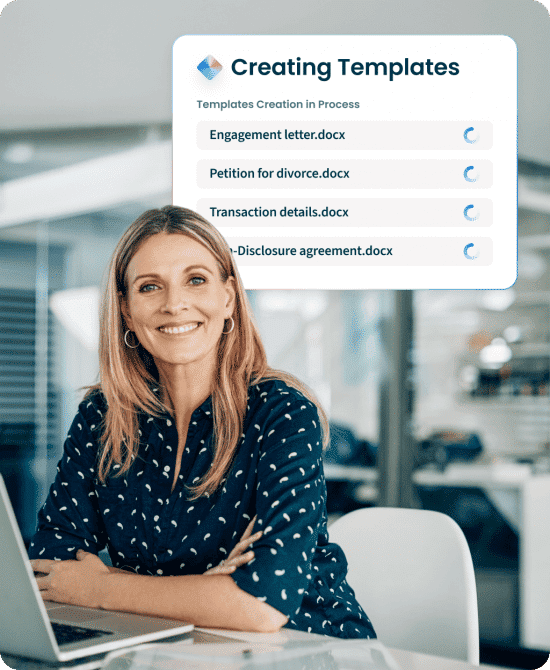
The legal industry is undergoing a quiet revolution. Gone are the days of endless stacks of paper contracts, manual clause-by-clause reviews, and hours spent searching for buried terms. Today, SaaS-powered AI tools are transforming how legal teams handle document review, contract analysis, and compliance. For SaaS companies—especially those dealing with high volumes of contracts and complex regulatory requirements—AI is no longer a luxury. It’s a necessity.
In this post, we’ll explore how AI is reshaping legal document review in SaaS environments, the top tools driving this change, and what it means for legal teams, compliance officers, and business leaders.
Why AI Is Essential for Legal Document Review in SaaS
SaaS companies operate at scale. They onboard hundreds or thousands of customers, negotiate complex enterprise agreements, and must comply with ever-evolving regulations. Manual contract review simply can’t keep up.
AI-powered legal document review platforms automate repetitive tasks, surface risks, and ensure consistency across thousands of agreements. These tools don’t just save time—they reduce legal risk, improve compliance, and free up lawyers to focus on strategic work.
The Pressure Points Driving AI Adoption
- Exploding contract volumes: Rapid customer acquisition means more contracts to review.
- Need for consistency: SaaS companies must enforce standard terms across all agreements.
- Compliance demands: Data privacy laws (like GDPR, CCPA, and the EU AI Act) require strict contract controls.
- Speed to close: Faster contract review means faster revenue recognition.
AI-powered SaaS platforms address all these challenges by automating document analysis, flagging risks, and suggesting redlines based on company playbooks.
How AI-Powered Legal Document Review Works
AI for legal document review isn’t just about scanning text. Modern platforms use purpose-built AI models trained specifically on legal language and contract structures. These models can:
- Extract key clauses (e.g., indemnity, liability, termination)
- Identify risks (e.g., unfavorable terms, compliance gaps)
- Suggest redlines based on company playbooks
- Track changes and their knock-on effects
- Summarize contracts for quick review
Unlike generic AI tools (like ChatGPT), legal AI platforms are built for the nuances of contract language. They understand context, flag subtle risks, and provide actionable insights—not just generic summaries.
Top AI Tools for Legal Document Review in SaaS
Here are some of the leading AI-powered SaaS platforms transforming legal document review in 2025:
1. Streamline AI
Streamline AI offers intelligent intake and workflow automation for legal teams. Its AI categorizes and prioritizes incoming legal requests, routes them to the right team members, and creates customized workflows for different matter types. The platform excels at contract analysis and management, especially for organizations dealing with high volumes of complex agreements.
2. Evisort
Evisort’s AI is specifically trained on contract language and legal terminology. It can extract key terms, identify risks, and automate compliance checks. Evisort supports multiple languages and formats, making it ideal for global SaaS companies. Its large language model is tailored for contract analysis, not general-purpose tasks.
3. Ivo
Ivo focuses on contract review efficiency, providing real-time AI assistance during review. It highlights potential issues, suggests language improvements, and compares terms against established playbooks. Ivo’s AI learns from user preferences, delivering increasingly relevant recommendations over time.
4. LegalOn
LegalOn stands out for its pre-built attorney playbooks—no AI training required. Teams can start reviewing contracts immediately with 50+ standardized playbooks. LegalOn is ideal for companies seeking fast time-to-value and high accuracy, though it may offer less flexibility for unique business needs.
5. Spellbook
Spellbook integrates directly with Microsoft Word, enabling lawyers to review and redline agreements in their familiar environment. It flags clause-level issues, improves language, and auto-completes legal text using advanced AI. Spellbook is a favorite among transactional lawyers for its seamless workflow integration.
6. Definely
Definely’s AI layer is built into Microsoft Word and its own suite, allowing lawyers to see the knock-on effects of changes in real time. Its Cascade feature helps users instantly detect how a change in one clause impacts others, reducing the risk of unintended consequences.
7. Kira (Litera)
Kira uses patented machine learning to identify, extract, and analyze contract content. It’s widely used for due diligence and contract review, offering high accuracy and deep clause-level insights.
Key Features to Look for in AI Legal Document Review Tools
When evaluating AI-powered SaaS platforms for legal document review, consider these features:
- Purpose-built AI: The platform should be trained on legal language, not generic AI models.
- Playbook integration: Ability to customize review rules and redline suggestions.
- Real-time feedback: AI should provide immediate suggestions during review.
- Workflow automation: Automated task assignment, deadline tracking, and approval processes.
- Security & compliance: SOC-2 certification, data encryption, audit trails, and compliance with regulations like GDPR and CCPA.
- Integration: Seamless integration with Microsoft Word, Google Docs, or your existing contract management system.
The Impact of AI on Legal Teams
AI-powered legal document review is more than just a productivity boost. It’s changing how legal teams operate:
1. Increased Productivity
AI automates routine tasks like clause extraction, risk identification, and redlining. Legal teams can review more contracts in less time, freeing up bandwidth for strategic work.
2. Improved Accuracy
AI reduces human error by consistently applying review rules and flagging risks that might be missed in manual review.
3. Enhanced Compliance
AI tools help ensure contracts comply with internal standards and external regulations, reducing the risk of costly mistakes.
4. Better Client Experience
With AI handling administrative tasks, lawyers can focus on providing strategic advice and building stronger client relationships.
Real-World Use Cases
SaaS Company Onboarding
A SaaS company uses Evisort to review hundreds of customer contracts each month. The AI extracts key terms, flags non-standard clauses, and suggests redlines based on the company’s playbook. Legal teams review only flagged contracts, reducing review time by 70%.
Enterprise Agreement Negotiation
A legal team uses Spellbook to draft and redline a complex enterprise agreement. The AI suggests optimal language, flags potential risks, and auto-completes standard clauses. The team closes the deal faster and with greater confidence.
Compliance Audits
A compliance officer uses LegalOn to audit thousands of contracts for GDPR compliance. The AI identifies contracts with non-compliant clauses and generates a summary report, saving weeks of manual review.
Security and Compliance Considerations
Legal document review tools handle sensitive data, so security is paramount. Look for platforms that offer:
- SOC-2 certification
- Data encryption (in transit and at rest)
- Audit trails for all system activities
- Granular permission controls
- Data residency options
- Compliance with regulations like GDPR, CCPA, and the EU AI Act
Ensure your vendor never trains AI on your contracts or shares them with third parties. LegalOn, for example, maintains strict data isolation and never uses customer contracts for AI training.
The Future of AI in Legal Document Review
AI-powered SaaS platforms are just getting started. Future developments will likely include:
- More interactive AI: Platforms that actively engage with users, providing feedback and building trust.
- Deeper integration: Seamless workflows across contract drafting, review, negotiation, and management.
- Advanced analytics: AI-driven insights into contract performance, risk trends, and compliance gaps.
- Global compliance: Support for new regulations and multi-jurisdictional contracts.
Comparison Table: Top AI Legal Document Review Tools
| Tool | Key Strengths | Integration | Security Features | Best For |
|---|---|---|---|---|
| Streamline AI | Workflow automation, intake routing | SaaS, API | SOC-2, encryption | High-volume contract review |
| Evisort | Contract analysis, compliance checks | SaaS, API | SOC-2, encryption | Global SaaS companies |
| Ivo | Real-time review, playbook integration | SaaS, API | SOC-2, encryption | Fast contract review |
| LegalOn | Pre-built playbooks, fast start | SaaS, API | SOC-2, GDPR, CCPA | Standardized contract review |
| Spellbook | Word integration, clause-level review | Microsoft Word | SOC-2, encryption | Transactional lawyers |
| Definely | Change impact analysis, Word integration | Microsoft Word, Suite | SOC-2, encryption | Complex contract drafting |
| Kira | Clause extraction, due diligence | SaaS, API | SOC-2, encryption | Legal due diligence |
What Legal Teams Should Do Next
If you’re not already using AI for legal document review, now is the time to start. Begin by:
- Assessing your needs: What are your biggest pain points? Volume, compliance, speed?
- Evaluating tools: Look for platforms with purpose-built AI, strong security, and seamless integration.
- Piloting a solution: Start with a small pilot to test the tool’s impact on your workflow.
- Scaling up: Once you see results, expand AI adoption across your legal team.

The Bottom Line
AI-powered SaaS platforms are transforming legal document review. They’re making legal teams faster, more accurate, and more compliant. For SaaS companies, the benefits are clear: reduced risk, faster deal cycles, and better client experiences.
The rise of AI in SaaS for legal document review isn’t just a trend—it’s the future of legal work.

Are you using AI for legal document review in your SaaS company? What’s been your experience? Share your thoughts in the comments below!
You may also like
- How AI is Changing the Future of DevOps in Cloud Computing
- How AI Helps SaaS Companies Reduce Churn and Increase Retention
- How to Build Your Own AI SaaS Product Without Coding in 2025
- Reliance Jio Launches JioFrames: India’s AI-Powered Smart Glasses Revolution
- IFA 2025: The Rise of AI-Powered Laptops and Handhelds Revolutionizing Mobile Computing