

- Published on
Best AI Fraud Detection Software for Fintech Companies in 2026
Listen to the full article:
- Authors

- Name
- Jagadish V Gaikwad

Stop buying fraud tools like you’re collecting badges
Your fraud stack is probably bloated, noisy, and half-broken. The worst part is that a flashy dashboard can still miss the stuff that hurts you most.
Best AI fraud detection software for fintech companies isn’t about the biggest vendor name. It’s about catching the right fraud fast, with fewer false positives and less manual cleanup.
What actually matters in 2026
Look, here’s the thing: most teams pick the wrong tool because they shop by feature list. That’s how you end up paying for a giant platform when all you needed was better onboarding checks.
The criteria that matter most are AI quality, real-time decisioning, explainability, integration speed, and whether the tool fits your fraud type.
Fintech buyers are also being pushed toward tools that can handle more than one problem at once. That means fraud, AML, identity, and case management are getting bundled into the same buying decision.

Best AI fraud detection software for fintech companies
Honestly? There’s no single winner. The best AI fraud detection software for fintech companies depends on where your pain is showing up, and anyone telling you otherwise is selling something.
| Tool | Best for | Why it stands out | Catch |
|---|---|---|---|
| SEON | Fast-moving fintechs | Light setup, strong balance of power and pricing, and a solid all-around rating in recent roundups. | Great if you need speed, not if you want a giant enterprise control tower |
| Sardine | Fintech fraud + compliance | Strong fit for lifecycle fraud, AML, and compliance-heavy teams. | You’ll want a team that can handle more operational complexity |
| Unit21 | Investigation-heavy teams | Recent analyst coverage highlights its full investigation workflow, configurable rules, and strong AI score. | More powerful than simple point tools, which means more to manage |
| Feedzai | Large-scale financial ops | Built for enterprise-grade risk orchestration and cross-border fraud work. | Usually overkill for smaller fintechs |
| Featurespace | Behavioral fraud detection | Known for adaptive behavioral analytics and real-time payment fraud detection. | Best when your fraud is transaction-centric, not onboarding-centric |
| Resistant AI | Document and onboarding fraud | Useful for forged documents, synthetic identities, and KYC abuse. | Not the best pick if your main problem is card fraud |
| Stripe Radar | Stripe-native teams | Fastest win for teams already living inside Stripe. | Only makes sense if Stripe is already your world |
| FraudNet | Finance and e-commerce | Covers ML, AML features, and real-time case handling in one package. | Can feel broad if you only need one narrow use case |
SEON keeps showing up as the practical pick for fintechs that want quick deployment without a monster implementation project. Unit21 and Sardine are the stronger picks when your team needs fraud ops plus compliance muscle.
The tools, without the vendor fog
Real talk: every vendor says they’re “AI-powered.” That phrase has been abused into uselessness, so you need to look at what the system actually does under pressure.
SEON is the cleanest answer for many fintechs because it’s fast to spin up and doesn’t feel like a three-month consulting engagement disguised as software. It’s a strong fit for teams that want fraud screening, device intelligence, and usable signals without a giant ops burden.
Sardine is the move when you’re dealing with payment fraud, account abuse, and compliance in the same mess. It’s especially relevant for fintechs that can’t afford to split fraud and AML into separate silos anymore.
Unit21 is for teams that actually investigate cases, not just stare at scores. Recent analyst coverage says its biggest edge is end-to-end workflow, self-serve rule changes, and explainable AI, which matters when your risk team needs answers fast.
Feedzai is a heavyweight. It makes sense when you’re running a bigger operation and need real-time risk handling across multiple channels and geographies. If you’re still early-stage, this is probably too much machine for your garage.
Featurespace shines when behavior matters more than static identity checks. That makes it useful for card fraud, payment abuse, and patterns that only show up after enough activity builds up.
Resistant AI is the specialist pick for forged docs, synthetic onboarding, and document fraud. If your KYC funnel is getting played, this is the kind of tool that earns its keep.
Stripe Radar is the easy button if Stripe already runs your payments. That’s not sexy, but it’s a real advantage because the fastest fraud win is often the one that doesn’t require a giant rollout.
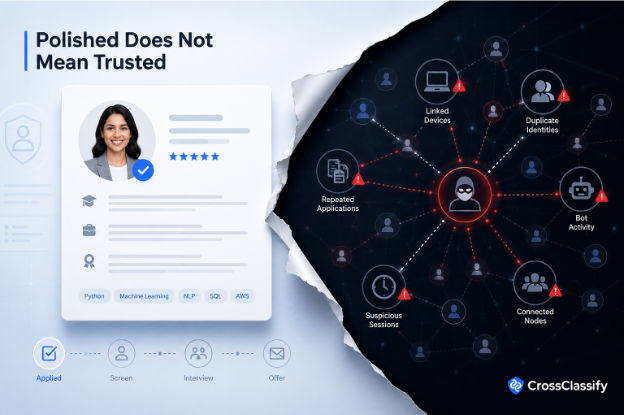
Which tool fits which fintech problem
The trap most teams fall into is buying for the wrong layer of fraud. You don’t need the same tool for card testing, fake onboarding, and account takeover.
Here’s a blunt comparison of how the shortlist maps to real pain:
| Fraud problem | Best-fit tool | Why |
|---|---|---|
| Card and payment fraud | Featurespace, Feedzai, Stripe Radar | These tools are built for transaction-heavy environments and fast scoring. |
| Account takeover | SEON, Sardine, Unit21 | You need device, behavioral, and workflow signals, not just one risk score. |
| Fake onboarding and synthetic identity | Resistant AI, Socure-style identity stacks | Document and identity checks matter more than payment monitoring here. |
| AML-linked fraud | Sardine, Unit21, FraudNet | You need fraud and compliance working together, not two disconnected systems. |
| High-volume enterprise risk | Feedzai, DataVisor, NICE Actimize | These platforms are built for bigger institutions with heavier ops and governance needs. |
If you’re a startup or mid-market fintech, don’t get hypnotized by enterprise logos. Your best move is usually the tool that gets to production fastest and actually fits your attack surface.
How to choose without wasting six months
Here’s what nobody talks about: the software is only half the battle. The other half is your data quality, your team’s response speed, and whether your operations people can actually use the thing.
Start with your fraud type. If your main issue is payments, don’t buy an onboarding-first tool. If your biggest pain is KYC abuse, don’t bury yourself in a payments-only platform.
Then test false positives on your own data. Vendors love synthetic demos because they look clean, and real traffic is messier than that. If a tool blocks good customers, your growth team will hate you by Tuesday.
Explainability matters too. A score without a reason is just expensive confusion, and compliance teams hate expensive confusion.
Pricing and rollout reality
The annoying part is that pricing is rarely simple. Some tools, like SEON, are positioned as more affordable for faster-moving teams, while enterprise platforms usually come with heavier setup and more services around them.
That means your total cost is never just the monthly fee. You’re also paying for integration time, analyst workload, tuning, and the human tax of keeping the system honest.
If you want the short version, here’s how the rollout pain usually feels:
- SEON: faster setup, lighter ops burden, good for teams that want momentum.
- Sardine: broader coverage, more moving parts, better when fraud and compliance are tangled.
- Unit21: strong workflow control, but you need people who can actually run investigations.
- Feedzai: powerful, but not the kind of thing you casually spin up on a weekend.
- Stripe Radar: easiest if you’re already on Stripe, which is why it gets recommended so often.
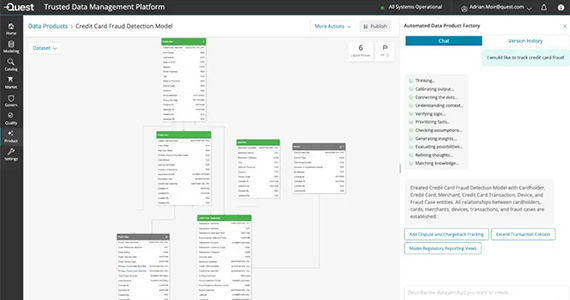
My honest take on the shortlist
Real talk: if you’re a fintech founder or operator, you should optimize for speed and signal quality first. Fancy AI means nothing if your team can’t act on it fast enough.
My default split would look like this: SEON for fast-moving fintechs, Sardine for teams that need fraud plus compliance, Unit21 for investigation-heavy ops, and Stripe Radar if Stripe already owns your payment stack. That’s the practical version, not the marketing version.
If you’re at the enterprise end, Feedzai and Featurespace make more sense because they’re built for bigger risk environments and more complex transaction patterns. If onboarding fraud is the actual pain, Resistant AI deserves a serious look.
The smartest buyers in 2026 are not asking “Which tool has the most AI?” They’re asking “Which tool will cut fraud, protect legit users, and not bury my team in work?”
Real talk: this only works if you match the tool to the problem. Most teams don’t, and then they blame the software for their own messy buying process.
What kind of fraud is hitting you hardest right now: payments, onboarding, account takeover, or AML-linked abuse?
You may also like
- How Generative AI is Disrupting SaaS Product Design in 2025
- Spain 2-1 Belgium: FIFA World Cup 2026 Quarterfinal – As It Happened
- How AI Could Transform Smart Contract Development and Security
- Machine Learning-Powered SaaS for User Feedback Analysis: The Future of Product Insights
- Best AI CRM Platforms That Actually Increase Revenue in 2026