

- Published on
How AI-Powered Automation is Reducing Operational Costs for Startups
Listen to the full article:
- Authors

- Name
- Jagadish V Gaikwad

If you’re running a startup, you know the brutal reality: cash is tight, margins are thin, and every dollar spent on operations feels like a gamble. But there’s a game-changer sweeping the tech world—AI-powered automation—and it’s quietly rewriting the rules of cost management for early-stage companies. From automating customer support to optimizing supply chains, AI isn’t just a buzzword; it’s a strategic lever that’s helping startups slash operational costs by 40% to 60% while scaling faster with fewer resources.
The numbers don’t lie. A Deloitte study found that 53% of companies implementing robotic process automation (RPA) reduced operational costs by over 10%, while McKinsey reports automation could save businesses up to 20–30% by streamlining workflows and eliminating manual intervention. For startups, where every percentage point of cost reduction translates to months of runway, this isn’t just efficiency—it’s survival.
Let’s break down exactly how AI-powered automation is driving these savings, the specific areas where it’s most impactful, and why smart founders are betting on it to stay competitive in 2026.
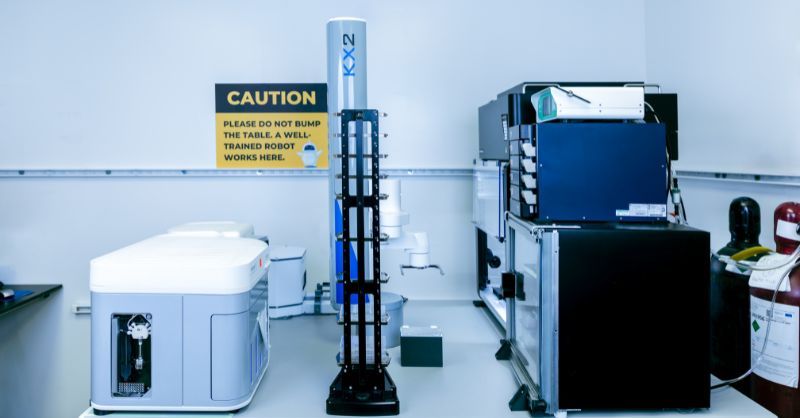
Labor Cost Reduction: The Biggest Win for Startups
The most immediate and dramatic cost savings from AI-powered automation come from labor cost reduction. Startups often rely on small teams handling massive workloads, leading to burnout, high hiring costs, and inefficiencies. AI flips this script by automating repetitive, labor-intensive tasks that once required human hands.
Customer Support: Chatbots That Work 24/7
Customer service is a classic cost drain for startups. Hiring and training support teams is expensive, and response times can vary wildly. Enter AI-powered chatbots. These tools handle up to 80% of routine queries—like “Where’s my order?” or “How do I reset my password”—without human intervention.
According to InData Labs, AI chatbots reduce support costs by up to 30% while maintaining high satisfaction rates. IBM’s case study revealed that AI-powered chatbots cut response time by 50%, leading to $8 million in annual savings. For a startup generating $1.5 billion in revenue, a 30% reduction in operational costs could mean $45 million saved annually—a figure that’s impossible to ignore.
Data Entry & Document Processing: Eliminating Human Error
Manual data entry is a silent killer of startup efficiency. It’s slow, prone to errors, and drains employee time from high-value tasks. AI-driven automation tools now handle document processing, invoice entry, and data extraction with near-perfect accuracy.
McKinsey reports that companies adopting AI automation see 50% faster processing times and 30% lower compliance costs. By eliminating human errors, startups avoid costly rework, regulatory penalties, and the hidden expenses of fixing mistakes. Plus, employees freed from data entry can focus on strategy, innovation, and growth—tasks that actually drive revenue.
HR & Recruitment: Smarter Candidate Screening
Hiring is another area where startups bleed money. Screening resumes, scheduling interviews, and managing onboarding can take weeks and require dedicated HR staff. AI-powered hiring platforms now optimize candidate screening, matching skills to job requirements in seconds.
PwC notes that 80% of business leaders believe AI will reduce hiring and training costs by automating routine tasks. For startups, this means faster onboarding, lower recruitment fees, and the ability to scale teams without ballooning HR budgets.

Workflow Optimization: Cutting Inefficiencies Before They Escalate
Beyond labor, AI-powered automation is transforming how startups manage workflows. Inefficiencies in order routing, inventory management, and communication can quietly drain resources. AI doesn’t just fix these problems—it predicts them before they happen.
Intelligent Order Routing: Resolving Exceptions Automatically
Order exceptions—like shipping delays, payment failures, or inventory mismatches—are a major source of operational waste. AI-driven agents now proactively resolve these issues, reducing manual intervention by up to 40% (Forrester, 2023).
KIBO’s research shows that retailers using intelligent automation report a 25% reduction in operational costs within 12 months, along with 50% faster order processing times. For startups, this means fewer delays, happier customers, and less time spent firefighting operational fires.
Real-Time Inventory Management: Avoiding Overstock and Shortages
Inventory mismanagement is a startup nightmare. Overstocking ties up cash, while shortages lead to lost sales. AI-driven demand forecasting tools analyze sales trends, seasonality, and market shifts to optimize inventory levels.
McKinsey reports that automated systems lower stockouts by 35%, while AI-driven supply chain management reduces inventory holding costs by 20–50%. For a startup, this translates to leaner operations, better cash flow, and the ability to scale without bloating inventory budgets.
Proactive Customer Communications: Cutting WISMO Costs
“Where is my order?” (WISMO) queries are a massive drain on customer service resources. AI tools now handle these inquiries automatically, cutting customer service costs by up to 30%. By providing real-time updates and proactive notifications, startups reduce the need for human agents to chase down order statuses.
This isn’t just about cost—it’s about customer experience. Startups that leverage AI for proactive communication see higher retention rates and stronger brand loyalty, which are critical for long-term growth.

Predictive Maintenance & Risk Management: Avoiding Costly Failures
Startups often operate with limited resources, making equipment failures and compliance issues especially dangerous. AI-powered automation is changing the game by enabling predictive maintenance and smart risk management, preventing costly downtime and penalties.
Predictive Maintenance: Reducing Downtime Costs
In manufacturing and logistics, unplanned equipment failures can halt operations and cost millions. AI-driven predictive maintenance uses machine learning to monitor equipment health, predicting failures before they happen.
InData Labs reports that predictive maintenance cuts unplanned downtime costs by 25–40%. For startups, this means fewer disruptions, lower repair bills, and the ability to maintain consistent output without expensive emergency fixes.
Fraud Detection & Compliance: Preventing Financial Losses
Financial fraud and compliance violations are existential threats for startups. AI-powered fraud detection systems identify anomalies in transactions, preventing losses before they occur. Similarly, AI-driven compliance monitoring ensures adherence to regulatory frameworks, reducing penalties.
Juniper Research estimates that automated document processing and fraud detection save banks $447 billion annually. For startups, this means safer operations, lower legal costs, and the ability to scale without fear of regulatory blowbacks.
Smart Contract Automation: Minimizing Legal Oversight
Legal processes like contract reviews and financial oversight are time-consuming and expensive. AI-powered smart contract automation minimizes manual oversight, reducing legal costs and speeding up deal closures.
This is especially valuable for startups navigating complex partnerships, investor agreements, or vendor contracts. By automating these tasks, founders can focus on strategy rather than paperwork.
Tech & Infrastructure Savings: Cloud-Based AI vs. On-Premise Hardware
Startups often lack the capital for expensive on-premise hardware and maintenance. AI-powered automation, especially cloud-based solutions, offers a cost-effective alternative that scales with growth.
Cloud-Based AI: Reducing Hardware Costs
Cloud-based AI solutions eliminate the need for expensive servers, reducing hardware and maintenance costs. This allows startups to deploy advanced automation tools without bloating their tech budgets.
Automated Cybersecurity: Enhancing Threat Detection Without Extra Manpower
Cybersecurity is a critical concern for startups, but hiring dedicated security teams is expensive. Automated cybersecurity protocols enhance threat detection and response without additional manpower, protecting sensitive data while keeping costs low.
AI-Powered IT Service Management: Automating Ticket Resolution
IT support tickets can drain resources, especially for startups with small tech teams. AI-powered IT service management automates ticket resolution, minimizing help desk expenses and freeing up IT staff for strategic work.
Comparison: Traditional Automation vs. AI-Powered Automation
To understand why AI-powered automation is a superior choice for startups, let’s compare it to traditional automation methods.
| Feature | Traditional Automation | AI-Powered Automation |
|---|---|---|
| Cost Reduction | 10–15% | 40–60% |
| Error Handling | Limited (requires human intervention) | Proactive (predicts & resolves errors) |
| Scalability | Fixed (hard to scale) | Dynamic (scales with demand) |
| Learning Ability | None (static rules) | High (learns from data) |
| Implementation Time | Weeks to months | Days to weeks |
| Maintenance Cost | High (manual updates) | Low (self-optimizing) |
As the table shows, AI-powered automation delivers significantly higher cost savings, better error handling, and dynamic scalability—all critical for startups operating in fast-changing markets.
Real-World Success Stories: Startups That Cut Costs with AI
Let’s look at how real startups are leveraging AI-powered automation to reduce operational costs.
Case Study 1: A SaaS Startup Reducing Support Costs by 35%
A mid-sized SaaS startup implemented AI-powered chatbots to handle customer inquiries. Within six months, they reduced support costs by 35% while improving response times by 50%. The AI system handled 80% of routine queries, freeing up human agents to focus on complex issues.
Case Study 2: An E-Commerce Startup Optimizing Inventory by 30%
An e-commerce startup used AI-driven demand forecasting to optimize inventory levels. They reduced stockouts by 35% and inventory holding costs by 25%, leading to a 20% increase in profit margins. The AI system analyzed sales trends and market shifts, enabling proactive inventory adjustments.
Case Study 3: A Logistics Startup Cutting Downtime by 40%
A logistics startup deployed AI-powered predictive maintenance for their fleet. They reduced unplanned downtime by 40%, saving $2 million annually in repair costs and lost revenue. The AI system monitored vehicle health, predicting failures before they occurred.
How to Start Implementing AI Automation in Your Startup
If you’re ready to cut operational costs with AI-powered automation, here’s a step-by-step guide to get started:
1. Identify Inefficiencies
Use AI-driven process mapping tools to analyze workflows and pinpoint cost-draining processes. Look for areas with high manual intervention, frequent errors, or slow processing times.
2. Start Small, Scale Fast
Deploy automation in high-impact areas first—like customer support, data entry, or inventory management. Measure success against KPIs like order processing time, error rates, and labor cost reductions.
3. Choose the Right Technology Partner
Ensure deep integration, scalability, and continuous AI-driven improvements. Look for partners with proven success in startup environments and flexible pricing models.
4. Train Your Team
While AI automates tasks, your team still needs to understand how to work with it. Provide training on AI tools, data interpretation, and process optimization.
5. Monitor & Optimize
Continuously monitor AI performance and adjust as needed. Use AI analytics to identify new inefficiencies and optimize workflows over time.
The Future of AI Automation for Startups
The trend is clear: AI-powered automation is becoming the backbone of cost-efficient startup operations. Gartner predicts that by 2026, 75% of businesses will use AI-driven process automation to reduce expenses and enhance agility. For startups, this means the barrier to entry for impactful AI cost savings has dropped dramatically.
Generative AI is also playing a role, automating content creation, accelerating software development, and streamlining customer communications. Businesses using generative AI for marketing alone report content production cost reductions of up to 60%.
As AI technology evolves, startups that embrace automation will not only survive but thrive—scaling faster, spending less, and staying competitive in a crowded market.
Final Thoughts: Is AI Automation Worth It for Your Startup?
The answer is yes. AI-powered automation isn’t just a cost-cutting tool—it’s a strategic investment that enables startups to scale efficiently, reduce waste, and focus on growth. With cost reductions of 40–60%, faster processing times, and smarter decision-making, the ROI is undeniable.
If you’re a startup founder, the question isn’t whether to adopt AI automation—it’s how quickly you can implement it to stay ahead.
What’s the biggest operational cost challenge your startup faces right now? Share your thoughts in the comments below, and let’s discuss how AI automation can help you tackle it.
You may also like
- Top SaaS Apps Using AI for Workflow Optimization in 2025
- Best AI SaaS Tools for Small Businesses in 2025: Boost Growth and Efficiency
- Best SaaS Tools for Automating Business Workflows in 2025
- How AI is Changing the Future of DevOps in Cloud Computing
- Reliance Jio Launches JioFrames: India’s AI-Powered Smart Glasses Revolution