

- Published on
Top SaaS Apps Using AI for Workflow Optimization in 2025
Listen to the full article:
- Authors

- Name
- Jagadish V Gaikwad
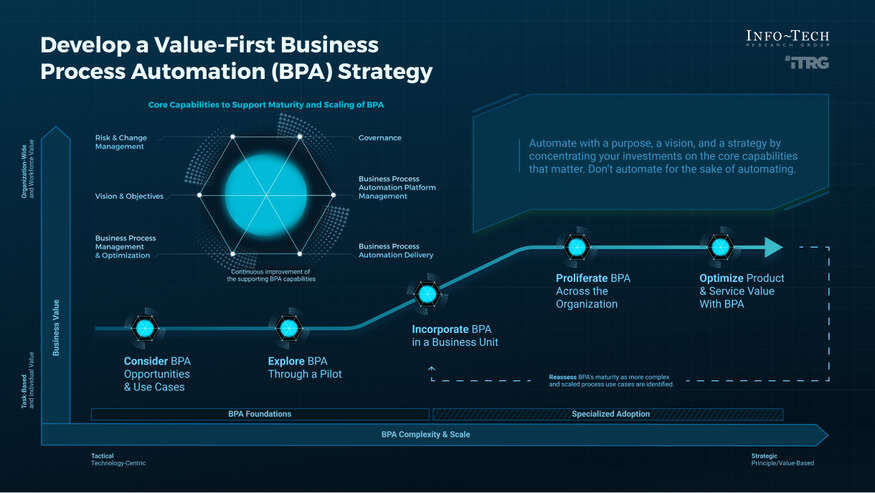
AI is no longer just a buzzword—it’s the engine behind smarter, faster, and more efficient workflows. In 2025, SaaS apps are leveraging artificial intelligence to automate repetitive tasks, optimize resource allocation, and connect data across platforms. Whether you’re a startup founder, operations manager, or IT leader, understanding which SaaS apps use AI for workflow optimization can give your team a serious edge.
In this guide, we’ll break down the top SaaS platforms that are redefining workflow automation with AI, explore their standout features, and show you how they can be applied to real-world business challenges.
Why AI Workflow Optimization Matters
Before diving into the tools, let’s quickly clarify what AI workflow optimization actually means. At its core, it’s about using artificial intelligence to:
- Automate repetitive, rule-based tasks
- Predict bottlenecks and suggest improvements
- Connect disparate systems and data sources
- Personalize workflows based on user behavior
- Reduce manual errors and increase efficiency
AI-powered SaaS apps don’t just automate—they learn, adapt, and scale. This means your workflows get smarter over time, not just faster.
The Top SaaS Apps Using AI for Workflow Optimization
1. Zapier AI
Zapier has long been the go-to for no-code automation, but its AI-powered version takes things to the next level. Zapier AI uses GPT-4 and machine learning to:
- Automate data routing and decision-making
- Summarize, translate, or enrich data within workflows
- Adapt workflows based on user preferences and patterns
- Offer AI-powered interfaces like Zapier Canvas for collaborative logic building
With over 5,000 app integrations, Zapier AI is ideal for teams looking to automate everything from lead capture to customer onboarding. Its AI Actions feature lets you add GPT-based steps to any workflow, making it one of the most versatile tools for workflow optimization.
2. Vellum AI
Vellum AI is built for teams that want to standardize and scale AI workflows across their organization. It’s a low-code platform that lets you:
- Build, test, and run production-grade automations
- Use SDKs, versioning, and built-in evaluations for safe deployment
- Integrate with external APIs and tools
- Ensure audit-ready governance for compliance-heavy industries
Vellum AI is especially strong for teams that need to call models, make decisions, and use tools/APIs within their workflows. Its visual builder and developer-friendly features make it a top choice for both technical and non-technical users.
3. Make (formerly Integromat)
Make is known for its multi-branch, deterministic routing capabilities, making it perfect for complex, high-volume workflows. With AI, Make can:
- Automate data mapping and transformation
- Trigger workflows based on real-time events
- Optimize routing logic for efficiency
- Integrate with hundreds of apps and services
Make’s strength lies in its ability to handle intricate workflows with multiple decision points, making it a favorite among integration architects and automation leads.
4. n8n
n8n is an open-source, self-hosted workflow automation tool that’s gaining traction for its flexibility and transparency. With AI, n8n can:
- Automate API integrations and data flows
- Customize workflows with code or visual builder
- Scale workflows for enterprise needs
- Ensure data privacy and security
n8n is ideal for technical teams that want full control over their automation stack and prefer not to rely on third-party cloud services.
5. Whalesync
Whalesync specializes in real-time, two-way data syncing between popular apps like Notion, Airtable, and Supabase. With AI, Whalesync can:
- Automate data entry and updates across platforms
- Sync data in real time, eliminating manual exports
- Build complex workflows with subflows and interfaces
- Allow external parties to trigger automations
Whalesync is perfect for teams that rely on multiple SaaS tools and want to keep their data in sync without manual intervention.
6. ServiceNow
ServiceNow is a powerhouse for enterprise service workflows, especially in HR, IT, and customer support. Its AI Platform enables:
- Intelligent agents to resolve incidents and run approval flows
- Conversational interfaces powered by AI Engagement Layer
- Cross-system context with Knowledge Graph
- Centralized governance and compliance with AI Control Tower
ServiceNow’s Workflow Data Fabric connects silos and powers AI agents across systems, making it a top choice for large organizations.
7. ClickUp AI
ClickUp AI combines project management, documentation, and team collaboration into a single workspace. With AI, ClickUp can:
- Automate project updates and generate summaries
- Surface insights to keep projects on track
- Predict project timelines and resource needs
- Integrate with other SaaS tools for seamless workflows
ClickUp AI is best for internal project management and team collaboration, making it a go-to for agile teams.
8. Replicon AI
Replicon AI focuses on time tracking and resource management, making it ideal for service-based industries. With AI, Replicon can:
- Automatically log time spent on tasks
- Suggest smart resource allocation based on project needs
- Integrate with tools like Jira, Trello, and Slack
- Provide detailed reports for billing and payroll
Replicon AI reduces administrative overhead and improves project accuracy, especially for consulting and IT firms.
How These SaaS Apps Optimize Workflows
Automating Repetitive Tasks
AI-powered SaaS apps excel at automating repetitive, rule-based tasks. For example, Zapier AI can automatically route leads from a form to your CRM, while Whalesync can sync data between Notion and Airtable without manual intervention.
Predicting and Preventing Bottlenecks
Tools like Vellum AI and Make use machine learning to predict bottlenecks and suggest workflow improvements. This proactive approach helps teams stay ahead of issues and maintain smooth operations.
Connecting Disparate Systems
AI workflow platforms like ServiceNow and n8n connect siloed systems and data sources, enabling seamless data flow across your organization. This is especially valuable for enterprises with complex IT environments.
Personalizing Workflows
AI-powered SaaS apps learn from user behavior and adapt workflows accordingly. For instance, Zapier AI learns your preferences over time and optimizes workflows for maximum efficiency.
Ensuring Compliance and Governance
Platforms like ServiceNow and Vellum AI offer centralized governance and audit-ready compliance features, making them ideal for regulated industries.
Real-World Use Cases
Customer Support Automation
ServiceNow’s AI agents can resolve common support tickets, freeing up human agents for more complex issues. This reduces response times and improves customer satisfaction.
Project Management
ClickUp AI automates project updates, generates summaries, and predicts timelines, helping teams stay on track and meet deadlines.
Time Tracking and Billing
Replicon AI automatically logs time and suggests resource allocation, making it easier to bill clients accurately and manage team workloads.
Data Sync and Integration
Whalesync keeps data in sync across multiple platforms, eliminating manual exports and reducing errors.
Comparison Table: Top AI Workflow Optimization SaaS Apps
| Tool | Best For | Key AI Features | Integration Ecosystem | Pricing Model |
|---|---|---|---|---|
| Zapier AI | No-code automation | GPT-4, data routing, adaptive workflows | 5,000+ apps | Freemium, paid |
| Vellum AI | Standardizing AI workflows | SDKs, versioning, audit-ready governance | Custom APIs | Paid |
| Make | Complex, high-volume workflows | Multi-branch routing, data mapping | 1,000+ apps | Freemium, paid |
| n8n | Open-source, self-hosted | API integrations, code customization | Custom APIs | Open-source, paid |
| Whalesync | Real-time data syncing | Two-way sync, subflows, interfaces | Notion, Airtable, etc | Freemium, paid |
| ServiceNow | Enterprise service workflows | AI agents, Knowledge Graph, governance | Enterprise apps | Enterprise |
| ClickUp AI | Project management | Automated updates, insights, predictions | 1,000+ apps | Freemium, paid |
| Replicon AI | Time tracking, resource management | Time logging, resource allocation | Jira, Trello, Slack | Paid |
How to Choose the Right AI Workflow Optimization Tool
Consider Your Team’s Needs
- Non-technical teams: Zapier AI, Whalesync, ClickUp AI
- Technical teams: Vellum AI, Make, n8n
- Enterprise organizations: ServiceNow, Vellum AI
Evaluate Integration Capabilities
Look for tools that integrate with your existing SaaS stack. Zapier AI and Make offer the widest range of integrations, while n8n and Vellum AI are more customizable.
Assess Scalability and Governance
For large organizations, scalability and governance are critical. ServiceNow and Vellum AI offer robust governance features, while Zapier AI and Make are more suited for smaller teams.
Think About Data Privacy
If data privacy is a concern, consider open-source or self-hosted options like n8n.
The Future of AI Workflow Optimization
As AI continues to evolve, we can expect even more sophisticated workflow optimization tools. Features like predictive analytics, autonomous agents, and real-time collaboration will become standard. The key is to choose a platform that not only meets your current needs but can grow with your business.
Final Thoughts
AI-powered SaaS apps are transforming the way we work, making workflows smarter, faster, and more efficient. Whether you’re automating repetitive tasks, connecting disparate systems, or optimizing resource allocation, there’s a tool out there that can help.
The best part? Many of these platforms are designed for both technical and non-technical users, so you don’t need to be a developer to get started.
What’s your experience with AI workflow optimization tools? Have you tried any of the platforms mentioned above? Share your thoughts in the comments below!
You may also like
- How GPT-Powered SaaS Applications Are Revolutionizing Workflows in 2025
- Best Cloud Platforms for Hosting SaaS Applications in 2025: A Complete Guide
- Best AI Document Automation Tools for Startups in 2025: Complete Guide
- Top PaaS Platforms for Building AI SaaS Products in 2025: Your Ultimate Guide
- Machine Learning-Powered SaaS for User Feedback Analysis: The Future of Product Insights